
Factors Impacting Furnace Replacement Pricing
Replacing a furnace is a big deal. It’s not just about swapping out an old machine for a new one. It’s about making sure your home stays warm and cozy through those chilly months without breaking the bank. If you’re wondering why furnace replacement pricing can vary so much, you’re in the right place. I’m here to walk you through the key factors that impact the cost, so you can make a smart, informed decision.
What Influences Furnace Replacement Pricing?
When it comes to furnace replacement pricing, there’s more than meets the eye. It’s not just the price tag on the furnace itself. Several elements come into play, and understanding them can help you avoid surprises.
1. Type and Size of Furnace
The type of furnace you choose plays a huge role in the overall cost. There are gas, electric, oil, and propane furnaces, each with its own price range. Gas furnaces tend to be popular in many homes because they’re efficient and cost-effective to run. Electric furnaces might be cheaper upfront but can cost more in the long run depending on your electricity rates.
Size matters too. A furnace that’s too small won’t heat your home properly, and one that’s too big will waste energy. HVAC professionals calculate the right size based on your home’s square footage, insulation, and climate. Getting the size right means better comfort and efficiency, but it can affect the price.
2. Efficiency Ratings
Furnaces come with efficiency ratings called AFUE (Annual Fuel Utilization Efficiency). The higher the AFUE, the more efficient the furnace is at converting fuel into heat. For example, a furnace with a 90% AFUE converts 90% of the fuel into heat, wasting only 10%.
Higher efficiency models usually cost more upfront but save you money on energy bills over time. If you want to reduce your carbon footprint and enjoy lower utility bills, investing in a high-efficiency furnace is worth considering.

3. Installation Complexity
Not all furnace installations are created equal. If your new furnace fits right where the old one was, installation is usually straightforward. But if you’re upgrading to a different type or size, or if ductwork needs to be modified or replaced, the job gets more complicated.
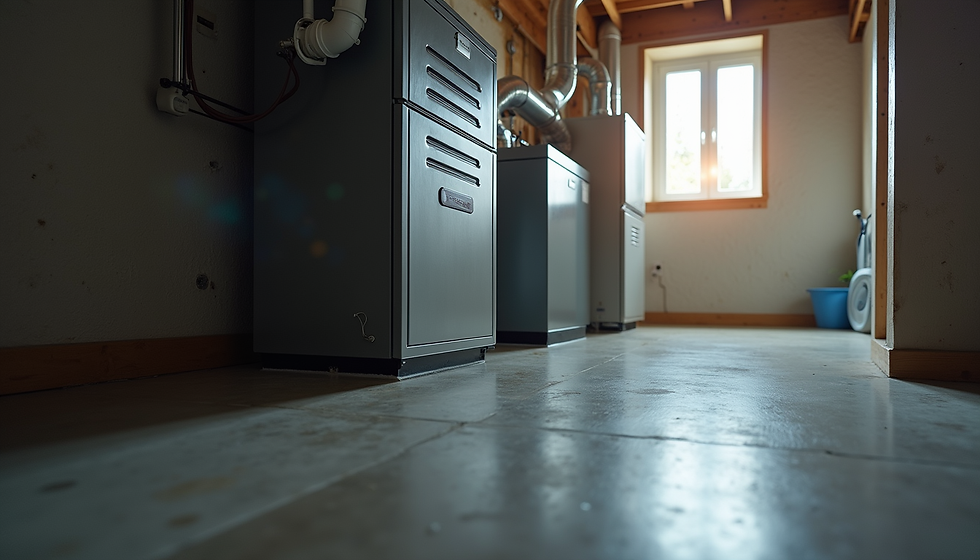
Other factors like the location of the furnace (basement, attic, or closet), accessibility, and local building codes can also impact installation costs. Sometimes, older homes need additional work to bring everything up to code, which adds to the price.
How much should I expect to spend on a new furnace?
Now, let’s talk numbers. While prices vary widely, here’s a rough idea of what you might expect to spend on a new furnace, including installation:
Basic gas furnace: $2,500 to $4,000
Mid-range gas furnace: $4,000 to $6,000
High-efficiency gas furnace: $6,000 to $8,000+
Electric furnace: $1,500 to $3,000
Oil furnace: $3,000 to $5,000
Keep in mind, these are ballpark figures. Your actual cost depends on the factors we’ve discussed, plus any additional repairs or upgrades needed.
If you want a more precise estimate, it’s a good idea to get a professional assessment. They’ll evaluate your home’s heating needs and provide a detailed quote.
Additional Costs to Consider
When budgeting for a furnace replacement, don’t forget these potential extras:
Ductwork repairs or replacement: Leaky or damaged ducts can reduce efficiency and comfort. Fixing or replacing them can add $1,000 or more.
Thermostat upgrade: Smart thermostats can improve comfort and save energy. They typically cost $100 to $300 installed.
Permits and inspections: Some areas require permits and inspections for furnace installation, which can add a few hundred dollars.
Removal and disposal of old furnace: Some companies include this in the installation price, but others charge extra.
Knowing about these extras upfront helps you plan better and avoid sticker shock.

Tips to Save on Furnace Replacement Pricing
Replacing a furnace doesn’t have to drain your wallet. Here are some friendly tips to keep costs manageable:
Shop around: Get multiple quotes from reputable HVAC providers. Prices can vary, and comparing helps you find the best deal.
Look for rebates and incentives: Many utility companies and manufacturers offer rebates for high-efficiency furnaces. Check what’s available in your area.
Schedule replacement during off-peak seasons: Fall and early winter are busy times for HVAC companies. Scheduling in late spring or summer might get you better pricing.
Maintain your current furnace: Regular maintenance can extend your furnace’s life, giving you more time to save up for replacement.
Consider financing options: Many companies offer financing plans that let you spread out payments without high interest.
Why Trusting Your HVAC Provider Matters
Choosing the right HVAC provider is just as important as choosing the right furnace. You want a team that’s experienced, reliable, and transparent about pricing. A trusted provider will:
Assess your home’s heating needs accurately
Recommend the best furnace options for your budget and lifestyle
Handle installation professionally and safely
Stand behind their work with warranties and support
Remember, a furnace is a long-term investment in your home’s comfort. It’s worth working with someone who treats you like family and puts your needs first.
Replacing your furnace is a big step, but understanding the factors that impact furnace replacement pricing can make the process smoother and less stressful. From the type and size of the furnace to installation complexity and extra costs, knowing what to expect helps you plan wisely. And if you ever want a hand figuring it all out, don’t hesitate to reach out to a trusted local HVAC expert who knows the ins and outs of heating homes in Snohomish, Skagit, and King counties.
For a detailed look at what your furnace replacement cost might be, check out the resources available or schedule a consultation. Your cozy, warm home is just a call away!


Comments