
Factors Impacting Furnace Replacement Pricing
Replacing a furnace is a big deal. It’s not just about swapping out an old machine for a new one. It’s about making sure your home stays warm and cozy through those chilly months without breaking the bank. If you’re thinking about upgrading your heating system, you’re probably wondering what affects the price tag. Well, you’re in the right place! Let’s dive into the factors impacting furnace replacement pricing and help you make a smart, confident choice.
What Influences Furnace Replacement Pricing?
When it comes to furnace replacement pricing, there’s more than meets the eye. It’s not just the cost of the furnace itself. Several elements come into play, and understanding them can save you from surprises later on.
1. Type and Size of Furnace
The type of furnace you choose plays a huge role in the price. You’ve got options like:
Gas furnaces – Popular and efficient, but prices vary based on efficiency ratings.
Electric furnaces – Usually cheaper upfront but might cost more to run.
Oil furnaces – Less common but still an option in some areas.
Size matters too. A furnace that’s too small won’t heat your home properly, and one that’s too big wastes energy. Professionals calculate the right size based on your home’s square footage, insulation, and climate. Bigger homes or those with poor insulation might need a more powerful (and pricier) furnace.
2. Efficiency Ratings
Efficiency is like the fuel economy of your furnace. Higher efficiency means less energy wasted and lower utility bills. Furnaces come with an AFUE (Annual Fuel Utilization Efficiency) rating, usually between 80% and 98%. The higher the rating, the more you’ll pay upfront, but you’ll save money in the long run.
Think of it like buying a hybrid car – it costs more initially but saves you gas money over time. If you want to be kind to your wallet and the environment, investing in a high-efficiency furnace is a smart move.
3. Installation Complexity
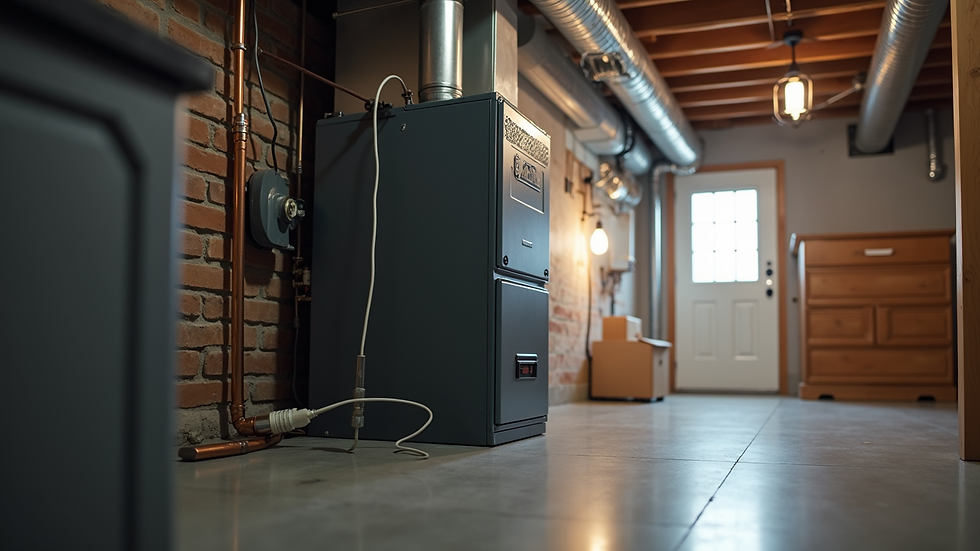
Not all furnace installations are created equal. If your new furnace fits right where the old one was, installation is straightforward. But if you’re upgrading to a different type or size, or if ductwork needs changes, expect the price to climb.
Other factors that can make installation trickier include:
Limited access to the installation area
Need for new venting or gas lines
Upgrading electrical systems to support the furnace
A complex installation means more labor hours and materials, which adds to the overall cost.
Furnace Replacement Pricing: What You Should Know
Understanding furnace replacement pricing means knowing what you’re paying for and why. Here’s a quick breakdown of typical costs you might encounter:
Furnace unit: $1,000 to $4,000 depending on type and efficiency
Installation labor: $1,000 to $3,000 depending on complexity
Additional parts and materials: $200 to $1,000 (ductwork, venting, etc.)
Permits and inspections: $100 to $500 depending on local regulations
Keep in mind, these are ballpark figures. Prices can vary based on your location, the contractor you choose, and the specific needs of your home.
4. Brand and Warranty
Just like cars or smartphones, furnace brands vary in price and quality. Trusted brands with solid reputations might cost more upfront but often come with better warranties and reliability. A good warranty can save you money if something goes wrong down the road.
When choosing a furnace, don’t just look at the sticker price. Consider the brand’s reputation, warranty coverage, and customer reviews. Sometimes paying a little extra upfront means fewer headaches later.
How much should I expect to spend on a new furnace?
Now, let’s get down to brass tacks. How much should you expect to spend on a new furnace? The answer depends on the factors we’ve talked about, but here’s a rough guide:
| Furnace Type | Average Cost (Unit + Installation) |
|--------------------|-----------------------------------|
| Basic Gas Furnace | $2,500 - $4,500 |
| High-Efficiency Gas | $4,000 - $7,000 |
| Electric Furnace | $2,000 - $4,000 |
| Oil Furnace | $3,000 - $6,000 |
If you’re looking for a more precise estimate tailored to your home, it’s a good idea to get a professional assessment. They’ll consider your home’s size, insulation, and existing system to recommend the best furnace and give you a detailed quote.
Remember, the cheapest option isn’t always the best. Investing in a quality furnace with proper installation can save you money on repairs and energy bills in the long run.

Additional Factors That Can Affect Your Furnace Replacement Pricing
Beyond the furnace itself and installation, a few other things can impact your final bill:
Age and condition of your current system: If your ductwork or vents are old or damaged, they might need repair or replacement.
Local climate: Colder areas might require more robust systems, which can cost more.
Energy rebates and incentives: Some regions offer rebates for installing high-efficiency furnaces, which can lower your costs.
Emergency or off-season installation: Scheduling your replacement during peak heating season or as an emergency can increase labor costs.
Tips to Manage Furnace Replacement Pricing
Replacing your furnace doesn’t have to drain your wallet. Here are some tips to keep costs manageable:
Get multiple quotes: Don’t settle for the first estimate. Comparing quotes helps you find the best deal.
Ask about financing: Many HVAC companies offer financing options to spread out payments.
Consider energy efficiency rebates: Check local utility companies or government programs for rebates.
Schedule replacement during off-peak seasons: Fall or spring might have lower labor costs.
Maintain your current furnace: Regular maintenance can extend its life and give you more time to plan your replacement.
Your Furnace Replacement Partner
Choosing the right furnace and installer is just as important as understanding pricing. You want a team that’s reliable, knowledgeable, and genuinely cares about your comfort. That’s why working with a trusted, family-owned HVAC provider can make all the difference.
They’ll guide you through the process, answer your questions, and ensure your new furnace fits your home and budget perfectly. Plus, they’ll be there for you long after installation with maintenance and support.
If you want to learn more about furnace replacement pricing or get a personalized quote, don’t hesitate to reach out. Your home deserves the best, and so do you.
Ready to take the next step? Check out furnace replacement cost for more details and expert advice tailored to your needs.


Comments